

Here is a sample history essay that we have generated using EduWriter essay writer. This detailed essay was created using AI with just two to three clicks. You can also generate similar plagiarism-free essays like this by using our essay writer tool. Essays generated using EduWriter are 100% plagiarism-free and unique but if you are also concerned about AI-detection then we recommend that you use our Paraphrasing Tool. EduWriter’s AI-powered paraphrasing tool is created in such a way that it can convert 100% AI-generated content into Human-Generated content.
EduWriter can help you create all types of essays, not just history essays. It can also help you create persuasive essays, biography essays, argumentative essays, expository essays, and compare and contrast essays to name a few. EduWriter can also help you generate essays on specific topics. You just need to head over to https://eduwriter.ai/ and type in the topic of your choice and EduWriter will do it for you in seconds.
To share a live example we used this tool to create a history essay for you using artificial intelligence. The following essay about The History of the MSA Museum Society is an example of how easily you can generate detailed history essays with just a few clicks. With EduWriter you no longer need Chat GPT Prompts With Examples as you just need a topic for your essay and not detailed prompts to get a free essay from EduWriter. This means that you don’t need to be a prompt engineer in order to create meaningful and ready-to-publish content – sounds amazing right?
So if you ever feel the need for an essay writer or a Paraphrasing Tool then look no further because EduWriter.ai is here to address all your Rewrite My Essay queries without a problem.
A beacon of history in Abbotsford, British Columbia, the MSA Museum Society is a historical landmark. Its traces stretch into the past, keeping the community’s spirit alive for generations to come. The MSA Museum Society was established with a clear mission. It is primarily set to collect and interpret the rich history of Abbotsford by preserving and displaying historical artifacts, archival material, and educational heritage. The society is a registered non-profit organization, that depends on government grants, private donations, and fundraising activities to support its activities and services. This funding approach reflects the community’s dedication to preserving its heritage.
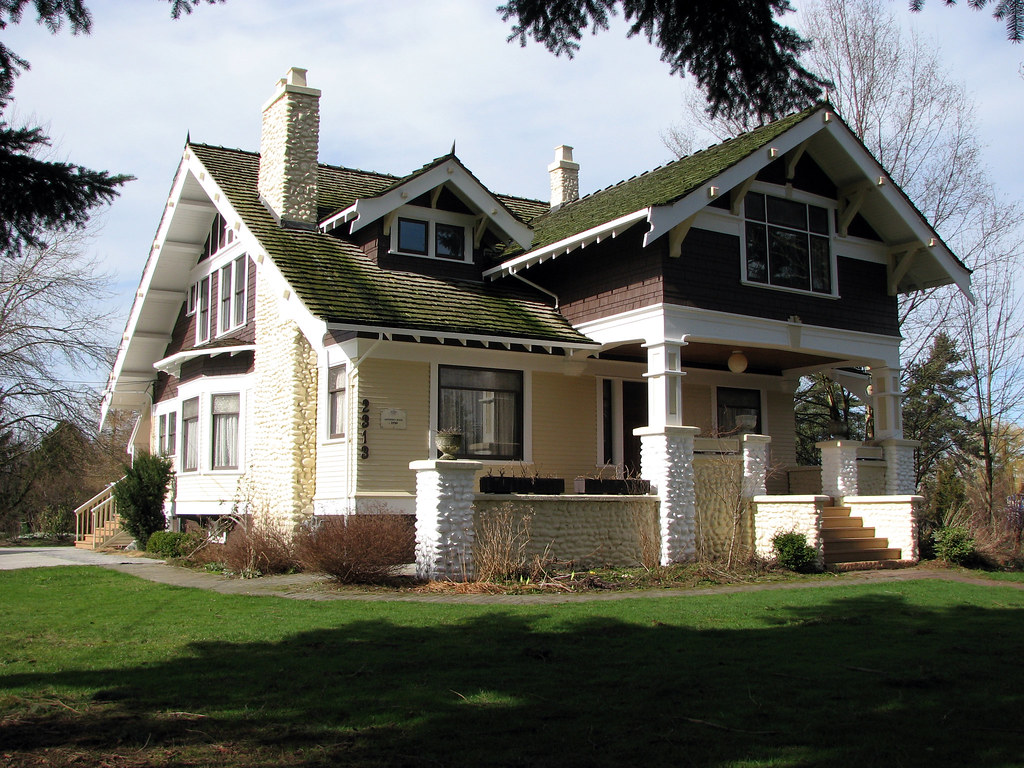
The core of the MSA Museum Society is the Trethewey House Heritage Site. Built in 1920 for B.C. timber baron J.O. Trethewey, the house represents the architectural style along with the Arts and Crafts of that time. Having been restored to its look from 1925, the house is living proof of the town’s early industries. Trethewey House is the essence of Abbotsford’s history. It was constructed out of first-class fir lumber, which was milled at the Abbotsford Lumber Company’s mill on Mill Lake, owned by J.O. Trethewey and his brothers. Its bricks were made of clay mined from the nearby Sumas Mountain and processed at Clayburn village, the first company town in BC.
The prestigious status of heritage site was given to Trethewey House in 1983. Since that time, it is also adoringly managed by the MSA Museum Society, which prudently safeguards its historical importance to be passed on to future generations. The commitment of the MSA Museum Society to learning and involvement is reflected in its various programs and activities. Visitors are welcome on guided tours of Trethewey House, with ESL tours also available. The site is also rentable and is a special location for events with its period gardens and large grounds.
A replica of the original building, the Carriage House, contains the Heritage Gallery and the MSA Museum Office. At this place, visitors will find a variety of exhibitions devoted to the history of the Abbotsford Lumber Company and its relationships with the oldest Sikh Temple in Canada. The Joey Playhouse, named after Joey Trethewey, provides a view into pioneer life with its recreated pioneer classroom. In addition, Upper Sumas BC Electric Railway Station, which was originally a part of the BC Electric Railway Line, tells the story of how rail transport affected the development of the landscape of Abbotsford.
With the heritage fairs programs as well as the walking tours of Mill Lake, the MSA Museum Society provides something for everybody. Its dedication to being accessible means that people of all age groups can partake in Abbotsford’s rich and colorful history. Situated by Mill Lake, the Trethewey House Heritage Site is a living record of Abbotsford’s history. The boardwalk takes the visitors back in time, and each step they take echoes with the past.
In conclusion, the MSA Museum Society becomes a guardian of the heritage of Abbotsford, creating the history threads into the community. By its unfailing commitment, the society guarantees that the memories of the past live on, encouraging future generations to celebrate their roots and the legacy of Abbotsford.